Becoming a responsible waste generator is no longer a choice—it is a necessity. Every household, business, and community contributes to trash output on a daily basis. The way we manage that waste determines the overall health of our environment, our cities, and even future generations.
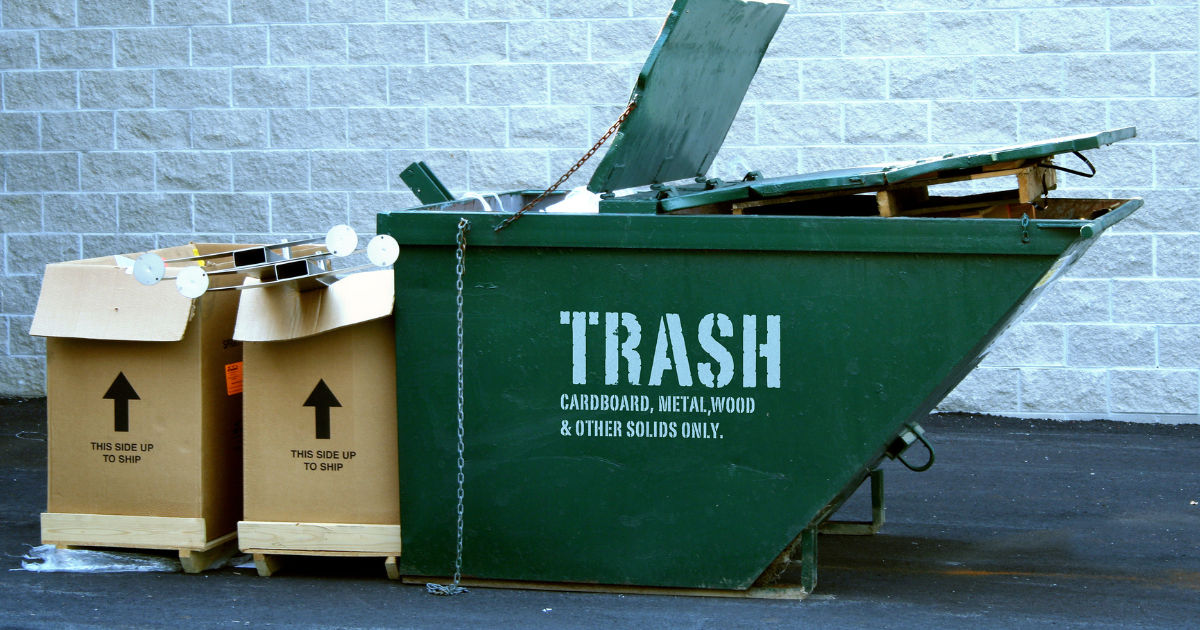
That is why understanding solid waste management and dumpster rentals is an essential part of learning how to live responsibly. When we actively manage what we throw away, we reduce pollution, conserve resources, and make our neighborhoods cleaner and safer. This guide explains practical steps you can take today to become a responsible waste generator while also understanding why solid waste management and dumpster rentals play such a critical role in the entire process.
What It Means to Be a Responsible Waste Generator
Being a responsible waste generator means being mindful of the amount and type of trash you produce. It also means taking steps to reduce, reuse, recycle, and properly dispose of items. The more aware you are of your habits, the easier it becomes to support solid waste management and dumpster rentals in your community. Every action—whether sorting recyclables or reducing plastic use—helps improve the effectiveness of solid waste management and dumpster rentals systems.
Why Responsible Waste Generation Matters
When waste is not handled properly, it ends up in landfills, waterways, or scattered across communities. This leads to soil contamination, water pollution, and harm to wildlife. Good habits support solid waste management and dumpster rentals, ensuring that trash is processed and disposed of correctly. Without public participation, even the strongest systems for solid waste management and dumpster rentals become less effective and more expensive.
The Core Principles of Responsible Waste Generation
Reduce First
The first and most important step in responsible waste generation is reducing what you produce. Reducing waste directly supports solid waste management and dumpster rentals, because less trash reduces pressure on disposal facilities. When people focus on reducing unnecessary packaging, single-use plastics, and food waste, the strain on solid waste management and dumpster rentals becomes easier to manage.
Reuse Whenever Possible
Reusing items is a powerful way to slow down the waste stream. Reusable bags, water bottles, containers, and refurbished items help decrease the volume of trash that enters solid waste management and dumpster rentals systems. The more we choose reusable goods, the easier it becomes for communities to maintain efficient solid waste management and dumpster rentals practices.
Recycle Properly
Recycling only works when materials are sorted correctly. Incorrect recycling can damage equipment and contaminate entire batches of recyclable materials. Community recycling programs rely on responsible sorting to support solid waste management and dumpster rentals. When people learn the proper guidelines, recycling becomes a meaningful part of improving solid waste management and dumpster rentals performance.
How to Evaluate Your Personal Waste Habits
Observe Your Daily Waste
The first step is awareness. Spend a week observing what you throw away. Every item you notice helps you understand where you fit into the larger system of solid waste management and dumpster rentals. Identifying patterns—like excessive food waste, plastic wrappers, or disposable items—helps you find realistic ways to support solid waste management and dumpster rentals through individual action.
Track Recyclables vs. Trash
Separate recyclables and trash for a few days. This makes it easy to see how much of your waste can be reused or recycled. Doing this supports solid waste management and dumpster rentals because it encourages proper sorting. As you become more aware of your recycling habits, you naturally make choices that ease pressure on solid waste management and dumpster rentals systems.
Household Strategies for Responsible Waste Generation
Smart Shopping Practices
Most waste begins at the store. Choosing products with less packaging and selecting reusable items are simple ways to reduce your impact. Each conscious purchase supports solid waste management and dumpster rentals by minimizing the amount of trash entering the system. When communities make informed shopping choices, the overall efficiency of solid waste management and dumpster rentals improves dramatically.
Responsible Food Management
Food waste is a major contributor to household garbage. Planning meals, storing food properly, and using leftovers can reduce waste significantly. Effective food management plays a big role in solid waste management and dumpster rentals, as organic waste often fills landfills unnecessarily. When households cut their food waste, it strengthens the long-term sustainability of solid waste management and dumpster rentals programs.
Sorting Waste Correctly
Every household should understand how to sort recyclables, compostable materials, hazardous waste, and general trash. Sorting helps optimize solid waste management and dumpster rentals, ensuring materials end up at the right facilities. Small mistakes—like mixing batteries with regular trash—can cause big issues in solid waste management and dumpster rentals operations.
How Communities Benefit from Responsible Waste Generators
Cleaner Neighborhoods
When individuals become responsible waste generators, communities become cleaner and healthier. Proper disposal reduces litter, pests, and odors. These improvements make it easier for cities to maintain solid waste management and dumpster rentals programs. The smoother the system runs, the more effective solid waste management and dumpster rentals become overall.
Lower Waste Management Costs
Reducing waste lowers disposal costs for local governments. This may eventually lead to lower taxes or improved public services. When residents cooperate with solid waste management and dumpster rentals, cities spend less on landfill operations and more on community development. Effective usage of solid waste management and dumpster rentals systems can create long-term financial benefits.
Better Public Health
Poor waste management leads to the spread of disease, water contamination, and environmental hazards. Responsible waste generation reduces these risks, making it easier for municipalities to maintain healthy living conditions. Strong solid waste management and dumpster rentals programs rely on public participation to limit toxic exposure, pest infestations, and pollution. Every household that participates strengthens the entire solid waste management and dumpster rentals network.
The Role of Businesses in Responsible Waste Generation
Corporate Waste Audits
Businesses generate large amounts of waste and therefore play a major role in solid waste management and dumpster rentals. Conducting waste audits helps companies identify problems and develop better strategies. These audits support long-term improvements in solid waste management and dumpster rentals by creating efficient internal waste systems.
Employee Education
Employees must be trained on how to sort waste properly. Clear signage, accessible bins, and regular reminders can dramatically improve compliance. Businesses that educate their teams contribute greatly to the success of solid waste management and dumpster rentals systems. When staff members follow guidelines, it keeps solid waste management and dumpster rentals running smoothly.
Renting Dumpsters for Large-Scale Waste
Businesses undergoing renovations, relocations, or large projects often require extra waste disposal solutions. This is where solid waste management and dumpster rentals become essential. Renting dumpsters ensures that large volumes of trash are handled professionally and disposed of safely. This reduces illegal dumping and strengthens the impact of solid waste management and dumpster rentals services.
Why Dumpster Rentals Matter for Responsible Waste Generators
Organized Disposal for Bigger Projects
Home renovations, yard clean-ups, and community events often produce too much waste for normal bins. Using solid waste management and dumpster rentals ensures that materials are collected, transported, and processed properly. Without dumpsters, large-scale waste can overwhelm local systems and disrupt regular solid waste management and dumpster rentals operations.
Preventing Illegal Dumping
People sometimes dump waste outdoors when they cannot manage large amounts of trash. Dumpster rentals reduce this behavior by offering an affordable and structured solution. Cities rely heavily on solid waste management and dumpster rentals to discourage illegal dumping and protect public spaces.
Supporting Recycling Efforts
Many dumpster rental services offer separate bins for recyclables. This allows people to sort materials even during large projects. When customers use these services responsibly, it improves the efficiency of solid waste management and dumpster rentals and increases recycling rates.
Steps to Becoming a Responsible Waste Generator Today
Step 1: Educate Yourself
Learn your local waste guidelines. Every town has different rules for trash, recyclables, yard waste, and hazardous materials. Knowing the rules helps you participate effectively in solid waste management and dumpster rentals. Education is the first step to improving your role in solid waste management and dumpster rentals.
Step 2: Implement Waste Sorting at Home
Make different bins for recyclables, compost, and trash. Clear labels help everyone in your home follow the rules. Following sorting guidelines supports solid waste management and dumpster rentals, ensuring the right materials reach the right facilities.
Step 3: Choose Reusable Items
Switch to reusable alternatives for bottles, bags, containers, and household goods. Each reusable item reduces the amount of waste entering solid waste management and dumpster rentals systems. Small habits turn into long-term positive impacts on solid waste management and dumpster rentals.
Step 4: Plan Ahead for Waste-Heavy Projects
If you expect increased waste, such as during renovations or cleanouts, arrange for solid waste management and dumpster rentals ahead of time. Planning ensures everything is handled responsibly and supports local solid waste management and dumpster rentals operations.
Step 5: Spread Awareness
Encourage family, friends, and neighbors to adopt responsible habits. When communities work together, it strengthens the entire structure of solid waste management and dumpster rentals. Awareness is key to long-term success in solid waste management and dumpster rentals efforts.
Conclusion
Becoming a responsible waste generator is one of the simplest and most effective ways to protect the environment. Every individual choice—whether reducing waste, reusing items, sorting trash, or using professional services—adds strength to community efforts. By understanding and participating in solid waste management and dumpster rentals, you help create cleaner neighborhoods, healthier ecosystems, and a more sustainable future. Responsible waste generation is not only about disposing of trash correctly—it is about shaping a world where resources are conserved, pollution is reduced, and future generations inherit a cleaner planet. When we all take part in supporting solid waste management and dumpster rentals, we build a stronger, smarter, and more environmentally conscious society.
About the Author
